Español
 English
 Português

 fetchpriority="high"
decoding="async"
data-parallax
data-speed="0.35"
/>
fetchpriority="high"
decoding="async"
data-parallax
data-speed="0.35"
/>
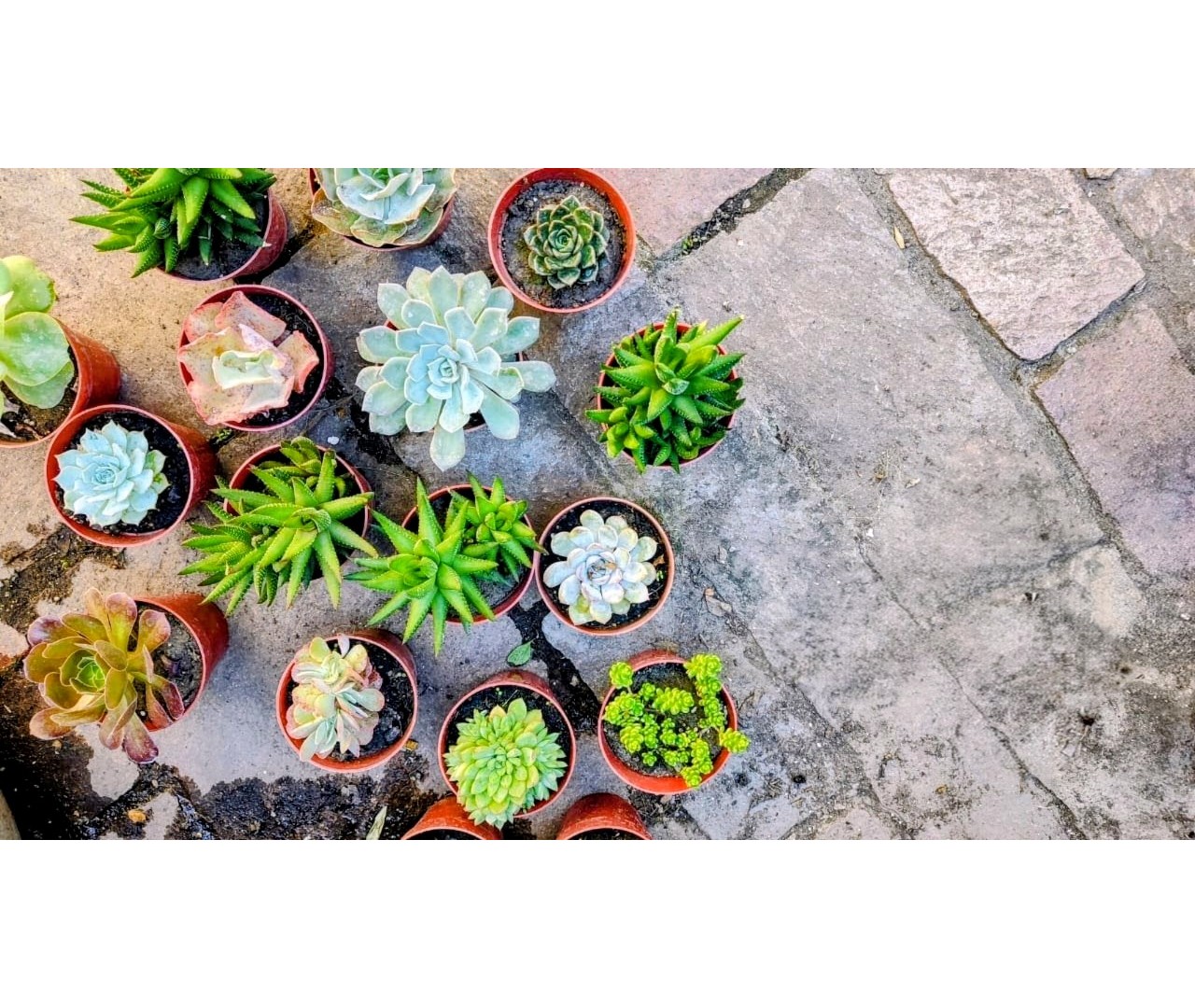
Succulents are versatile, resilient, and decorative plants—perfect for any home.
They are capable of storing water in their leaves, stems, or roots, which allows them to survive long periods of drought. This characteristic, known as succulence, from which they get their name, is an adaptation that has evolved in multiple plant families to cope with environments with low water availability. However, being drought-adapted does not mean they thrive equally in all climates: humid environments require specific care to avoid excess moisture, fungal issues, or root rot.
In this article, we share the essential care tips to help your succulent garden thrive.
Drainage: the key to healthy roots
Good drainage prevents water from accumulating and roots from rotting. This is essential both when planting new succulents and when repotting them.
In humid climates, drainage becomes even more important. It is recommended to use a mix specifically designed for succulents or cacti that includes coarse sand, gravel, or perlite, allowing water to flow freely instead of remaining stagnant. Pure garden soil should be avoided because it retains too much moisture.
Terracotta pots are an excellent option because they allow for better evaporation and help keep the roots cooler thanks to their porosity.
Below are some drainage materials and their benefits:
| Material | Benefit |
|---|---|
| Gravel | Allows water to flow freely through the substrate. |
| Rocks | Provide stability and prevent waterlogging. |
| Activated Charcoal | Absorbs impurities and improves drainage quality. |
Watering: how much and how
Watering is one of the most important aspects of succulent care. Too much water can damage the plant and rot its roots, while too little can cause wilting. Here are some tips for proper watering:
-
Water only when the soil is completely dry.
To check, insert a wooden stick—if it comes out dry, it’s time to water. You can also feel the bottom of the pot: if it’s still moist, wait longer. -
In hot and humid summers, be mindful of how often you water: you may not need to water as frequently as in a dry, desert-like summer because atmospheric humidity allows the soil to retain moisture longer.
-
Avoid wetting the leaves directly; ideally, water only the soil.
-
Ensure excess water can drain easily from the pot.
If heavy rain or storms are expected, protect your succulents so they don’t become waterlogged.
Light: finding the right spot
Succulents appreciate at least 6 hours of light, and many tolerate direct morning sun or late-afternoon sun. However, avoid intense midday summer sunlight, as it can burn young leaves.
Placement tips:
-
Indoors: place them in a spot with abundant light and, if possible, a few hours of direct sun.
-
Outdoors: choose a location with indirect or partial sunlight depending on the variety.
Observe the leaves: if they stretch out or lose their color, it's a sign they need more light.
Additional Care
Temperature: Most succulents tolerate heat well, but protect more sensitive species from strong frost.
Fertilization: Use a fertilizer specifically for succulents during the growing season, avoiding the dormant period.
Cleaning: Remove dry or damaged leaves to keep the plant healthy and prevent disease.
General Conclusion
Succulents are hardy and adaptable plants, but their health depends on a few key care practices: well-draining soil, spaced-out watering, proper lighting, and suitable pots. When their natural need to avoid excess moisture is respected and they are given a bright, ventilated environment, they can thrive both indoors and outdoors, in dry, temperate, or humid climates. With the right materials and a bit of observation, anyone—even without prior experience—can enjoy their beauty and vitality.
We are confident that your succulent garden will look beautiful and healthy all year long with these care tips.
Related Products
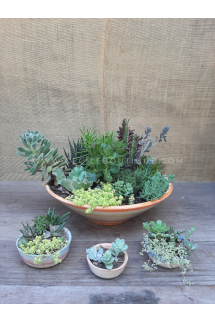
Mediterranean - Succulent Garden
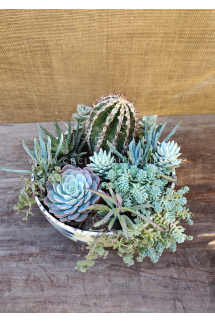
Free Soul
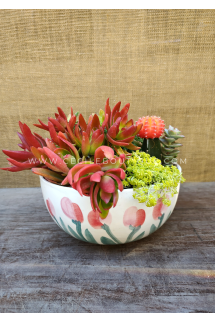
Impulse Garden