Español
 English
 Português

 fetchpriority="high"
decoding="async"
data-parallax
data-speed="0.35"
/>
fetchpriority="high"
decoding="async"
data-parallax
data-speed="0.35"
/>
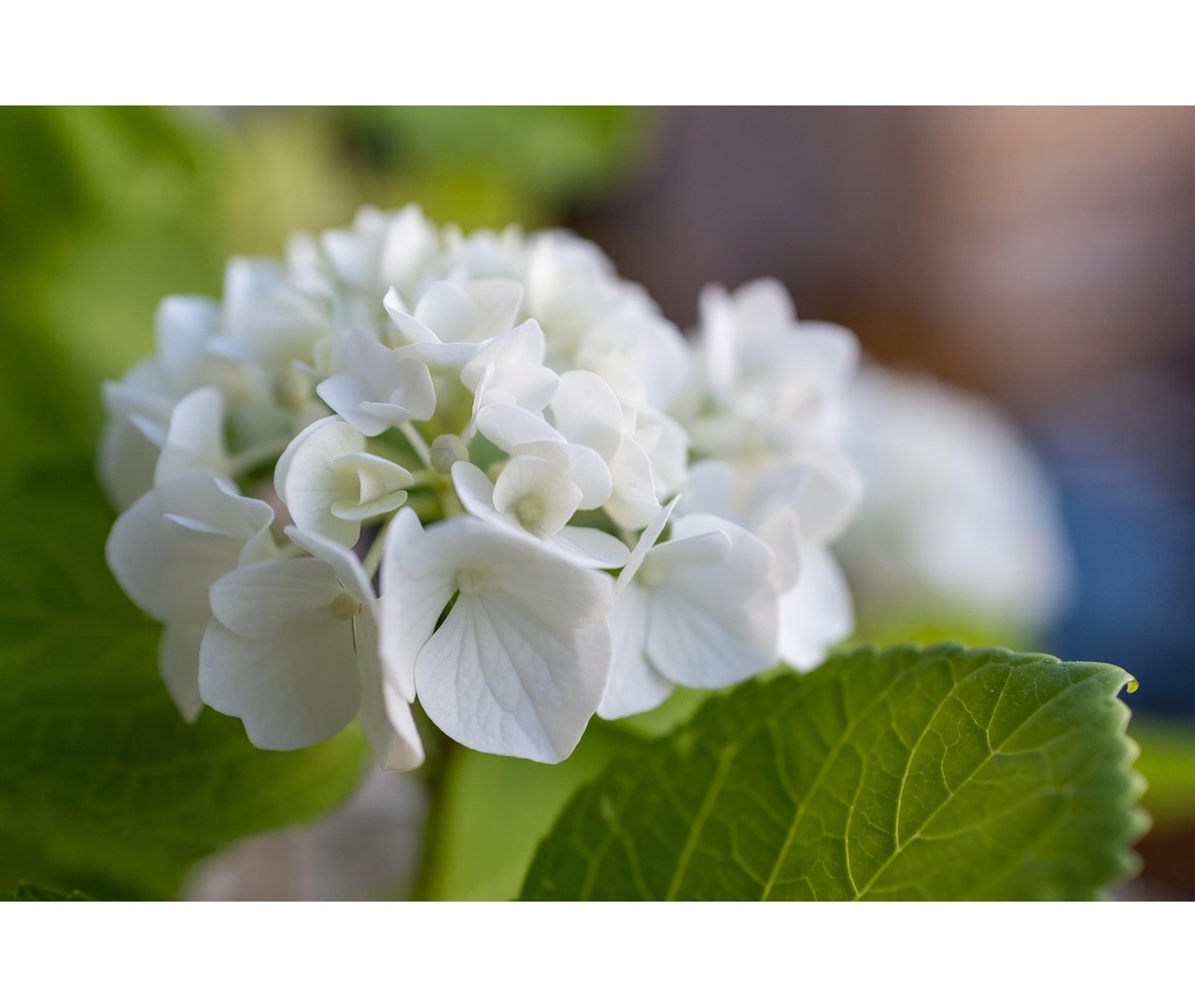
Hydrangeas, belonging to the genus Hydrangea, are among the most admired flowering shrubs due to their elegant structure and remarkable ability to fill spaces with vibrant color. Native to various regions of Asia—particularly Japan, China and Korea—they are now cultivated worldwide, with more than one hundred recognized species and varieties. Their abundant blooms and relative resilience have made them essential in temperate gardens and ornamental collections.
Although they may appear demanding, hydrangeas are actually hardy and generous plants as long as their environment is appropriate. Understanding their needs regarding light, water, soil and maintenance is key to enjoying vigorous flowering year after year.
Light and temperature
Hydrangeas thrive in partial shade, receiving indirect light or a few hours of gentle morning sun. Direct summer sun can scorch the leaves and reduce flowering. Ideal temperatures range between 15 and 20 °C, although they can tolerate cooler climates if protected from severe frost. Very dry and hot environments are challenging because the plant requires ambient humidity to maintain leaf firmness.
Watering
Hydrangeas prefer consistently moist soils. Watering should be directed to the base of the plant, avoiding excessive moisture on leaves and flowers. During hot weather, watering frequency should increase, especially for potted plants. Mulching helps preserve moisture and protect roots.
Planting and repotting
Repotting is recommended in spring or autumn. Containers should be two to three times larger than the original root ball. Slightly acidic substrates are ideal. When planting in gardens, deep holes should be prepared, two to three times the size of the root ball, and the soil should be added gradually with gentle watering.
Flowering
Flowering takes place from spring through early autumn. Outside this period, the absence of flowers is normal. Using specific fertilizers and removing faded blooms helps encourage new growth. In species such as Hydrangea macrophylla, flower color is influenced by soil pH, a well-documented botanical phenomenon.
Pruning
Pruning is best done in winter. Old or weak branches should be removed, and flowered stems shortened to promote healthy regrowth. Excessive pruning weakens flowering, while no pruning at all reduces flower size and branch stability.
Conclusion
Hydrangeas are versatile shrubs that reward proper care with abundant and colorful blooms. Their adaptability, combined with their strong ornamental presence, makes them a favorite in contemporary gardening.
Related Products

Outdoors - Centerpiece
Lilac | Centerpiece
Heart Beats | bouquet