Español
 English
 Português

 fetchpriority="high"
decoding="async"
data-parallax
data-speed="0.35"
/>
fetchpriority="high"
decoding="async"
data-parallax
data-speed="0.35"
/>
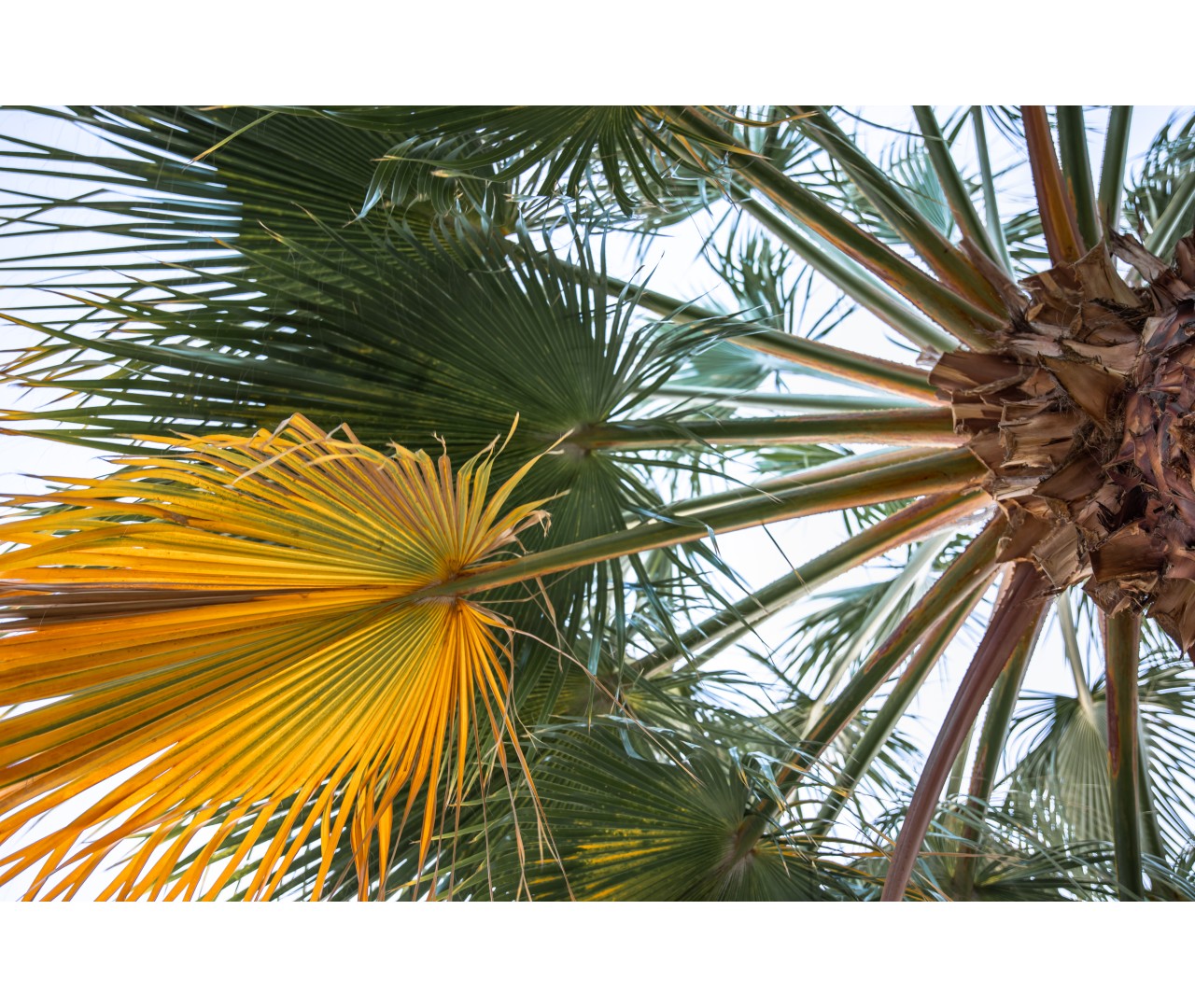
Palms are elegant plants that bring a tropical touch to any space, whether indoors or outdoors. Although they are generally hardy and adaptable, they require certain conditions to stay strong, green, and healthy throughout the year. This guide explains everything you need to know to properly care for a palm at home.
Light
Most palm species prefer bright, indirect light. Direct sunlight can burn their leaves, especially in young plants or delicate indoor varieties. Place your palm near a window with filtered light or in a bright room where it does not receive harsh sun.
If the leaves begin to yellow or lose their vibrant color, it may be a sign of insufficient light. On the other hand, burnt tips or dry patches usually indicate excess direct sun.
Watering
Palms appreciate moderate watering. They do not tolerate waterlogged soil, but they also dislike completely dry conditions for long periods. The goal is to keep the soil slightly moist but never soggy.
Water thoroughly when the top layer of soil dries out. In humid climates, watering frequency naturally decreases because the substrate retains moisture longer. Always ensure the pot has good drainage to prevent root rot.
Soil
Palms require well-draining soil that retains some moisture without staying wet. A recommended mix is:
50% universal potting soil
30% river sand or coarse sand
20% perlite or pine bark
This combination ensures aeration, prevents compaction, and reduces excess moisture around the roots.
Temperature
Palms thrive in temperatures between 18 °C and 28 °C (64 °F to 82 °F). They are sensitive to cold drafts, sudden temperature changes, and frost. Keep them protected during winter and avoid placing them near heaters or air conditioners.
Humidity
Most palms appreciate moderate to high humidity. Indoors, you can increase humidity by placing a tray with water and stones under the pot or by grouping plants together. Avoid spraying water on the leaves in very humid climates, as this can encourage fungal growth.
Fertilization
During spring and summer, apply a balanced fertilizer for green plants once a month. Reduce or suspend fertilization in autumn and winter, when the plant’s growth slows down.
Pests
Common pests include spider mites, scale, and mealybugs. Inspect leaves regularly, especially the undersides. If you notice pests, clean the plant with a cloth and apply a specific insecticide or neem oil.
Palms are noble and resistant plants that, with proper care, can grow beautifully for many years. Understanding their needs for light, water, soil, and temperature will help you maintain them healthy, lush, and vibrant in any environment.
Related Products